

Charities, nonprofits, and community groups frequently rely on promotional merchandise to raise awareness, engage supporters, and raise funds. Whether it’s branded wristbands, T-shirts, lanyards, tote bags, or custom gadgets, promotional products have a unique power: turning donors and participants into walking ambassadors for your cause. But sourcing these items isn’t trivial. You need a supplier who understands charity constraints, offers flexibility, ensures quality, and lets you maximize impact with limited budgets.
This guide dives deep into the world of charity promotional suppliers—how they operate, what product categories matter most, how to evaluate them, strategies to get the most out of your merchandise campaigns, and emerging trends to watch.
1. Why Promotional Merchandise Matters for Charities

Before analyzing suppliers, it’s worth reflecting on why promotional merchandise is so important for charities and nonprofits:
1.1 Awareness and Visibility
Every time someone wears or uses a branded item—say a pen, a tote bag, or a T-shirt—your charity’s name, logo, or message gets exposure. This passive marketing reaches new eyes beyond your existing donor base.
1.2 Engagement & Belonging
People like to visibly show their support for causes. Wearing or using something branded gives them identity and pride. Merchandise builds a sense of community and belonging among supporters.
1.3 Revenue Generation
Unlike traditional printed flyers, good merchandise often sells for more than cost. The margins (however small) help support operations. Many charities bundle merchandise with donation tiers (e.g., “donate £25 and receive a T-shirt”).
1.4 Incentives & Rewards
Merchandise makes for effective rewards in fundraising drives, events, or donor tiers. A high-value donor might receive a premium item; volunteers may earn special gear as recognition.
1.5 Long-Term Touchpoints
Merch items outlast a single campaign. A supporter might keep a mug, tote, or hoodie for years, periodically reminding them and others of your cause.
Given these benefits, choosing the right promotional supplier is critical — because a poor product not only diminishes your message but can cost time, money, and reputation.
2. Core Product Categories for Charities
Charity promotional suppliers generally cover a wide range of products. Below are the categories most relevant to charities, with pros, challenges, and key considerations.
2.1 Apparel & Wearables
T-shirts, hoodies, polos, caps, sweatshirts, performance apparel
Pros: Highly visible, high perceived value, walking advertisement
Challenges: Sizing, print durability, inventory risk
Considerations:
Adjustable size ranges (S–5XL)
Quality of fabric (100% cotton, blends, eco fabrics)
Printing types: screen, digital, embroidery, dye sublimation
Ethical sourcing and fair labor
2.2 Lanyards, Wristbands & Accessories

Lanyards & badge holders — ideal for events, conferences, volunteer passes
Wristbands (silicone, fabric, eco-materials) — low-cost, often used for awareness campaigns
Badges, pins, keyrings — good for impulse support purchases
Scarves, bandanas — useful, wearable, visible
These items are cheap to produce and distribute, making them staples for many charity suppliers.
2.3 Bags & Carry Accessories

Tote bags, drawstring bags — eco-friendly reuse items
Backpacks, sling bags — higher tier, useful in events
Bottle holders, cooler bags — niche but valued
Umbrellas — especially in rainy climates
Because these are functional, people tend to use them often, giving your brand repeated exposure.
2.4 Drinkware & Everyday Items

Mugs, travel mugs, water bottles
Thermoses, flasks
Reusable cups (BPA-free, eco materials)
These goods are used daily in offices and homes — great for ongoing visibility.
2.5 Stationery & Desk Items
Pens, notebooks, planners
Calendars, post-its, magnets
USB drives, desk accessories
These are lower-cost but meaningful in contexts where supporters are in offices or schools.
2.6 Event-Specific / Fundraising Tools

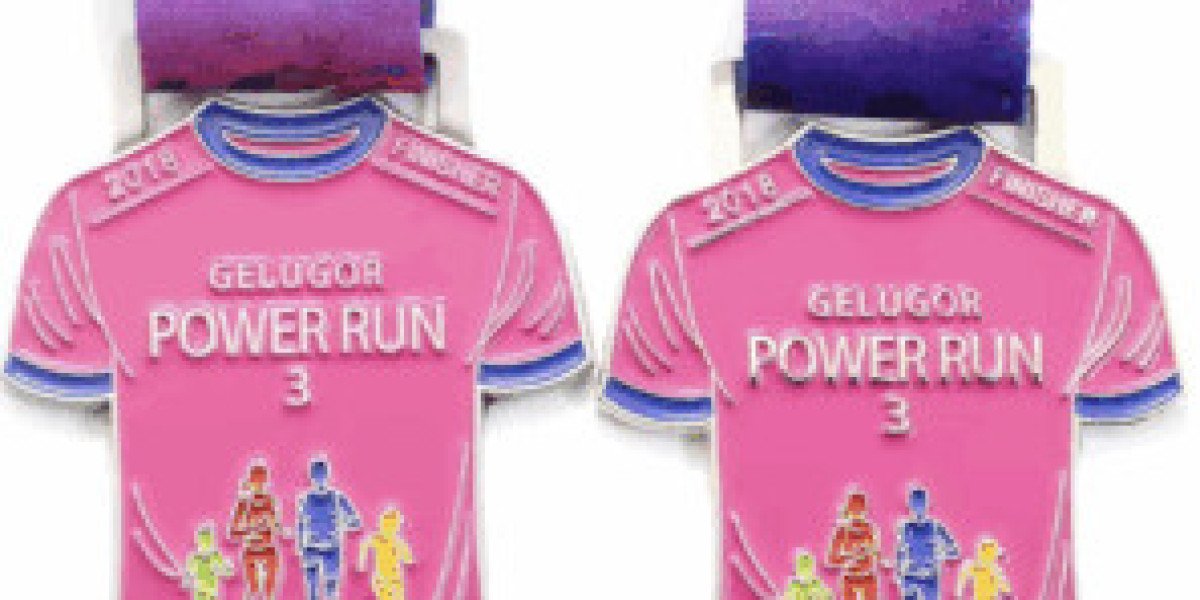
Custom medals & awards
Bibs, number boards, signage
Flags, banners, displays
Stickers, decals, wristbands
These get used in the context of events and amplify brand and event identity.
2.7 Eco / Sustainable Items

Stark increase in demand for recycled, biodegradable, or low-impact items
Bamboo, recycled PET, organic cotton, seed paper items
Biodegradable pens, recycled tote bags, reusable straws
Charities promoting environmental or social causes especially benefit when their merchandise aligns with their message.
3. Typical Business Models for Promotional Suppliers
Understanding how suppliers operate gives you leverage when negotiating or evaluating their proposals.
3.1 Bulk Order / Standard Catalog
Suppliers maintain a catalog of standard products (T-shirts, mugs, pens) and receive large orders in bulk, applying their standard print/customization modules. Charities select items, apply branding, and order minimum quantities.
Pros: Lower per-unit cost, predictable production
Cons: Less flexibility on extreme customization, higher minimums
3.2 Mix & Match / Modular Custom Products
Some suppliers let you combine base items with modules — e.g. choose a base T-shirt and then mix print areas, colors, and ribbon types from options. This hybrid model improves flexibility without fully bespoke tooling.
3.3 Full Bespoke / Premium Supplier
True bespoke suppliers will customize shape, materials, layers, finishes. For example, for medals, custom cutouts, multi-layer logos, specialty metals, or acrylic-metal hybrids.
Pros: Maximum design freedom
Cons: Higher cost, longer lead times
3.4 Print-on-Demand Dropship
Some suppliers or platforms handle printing and shipping on demand, reducing your inventory risk. You upload designs; orders from supporters triggers production and direct delivery.
Pros: Zero inventory risk, lower upfront capital
Cons: Lower margins, less custom control
3.5 Distributor / White-Label Model
Some charities partner with suppliers who allow them to rebrand generic promotional goods. The supplier provides goods under your charity’s branding; you handle distribution or sales.
Pros: Simplicity, brand consistency, lower overhead
Cons: Less control over manufacturing methods or quality
4. How to Evaluate and Select a Charity Promotional Supplier
Choosing the right supplier is critical — you want reliability, quality, flexibility, and fair pricing. Below is a rubric of criteria to apply.
4.1 Product Range & Capability
Do they carry most of the product categories you’ll need?
Can they produce bespoke items, not just standard ones?
Do they support mixed materials, finishes, or specialty techniques?
4.2 Minimum Order Quantities & Flexibility
Are their minimums workable for your scale?
Can they do small trial runs?
Do they offer volume discount tiers?
4.3 Quality & Finishing Standards
Ask for samples or visit their showroom if possible
Inspect the print clarity, stitching, edge finishing, coating durability
Check how items fare under stress (washing, sunlight, wear)
4.4 Personalisation / Variable Data Support
If you want to add names, data codes, donor IDs, etc., can the supplier support this (digital print, variable engraving)?
Are they experienced in handling mixed, personalized runs?
4.5 Lead Time & Turnaround
How long from artwork approval to delivery?
Do they buffer for revisions, production delays, shipping?
Can they meet urgent requests?
4.6 Ethical & Sustainability Credentials
Ask about factory policies, labor, supply chain transparency
Do they offer eco materials or green alternatives?
Are they willing to work with more sustainable or reuse-friendly options?
4.7 Pricing Transparency & Margins
Get detailed breakdowns (base item cost, print cost, setup fees, packaging, shipping)
Check for hidden fees, artwork charges, revisions, proofs, or plate fees
Ensure you can calculate realistic profit margin per unit
4.8 Customer Service & Communication
Responsiveness, clarity, willingness to advise
Proofing process, revisions, sample provision
How they handle defects, replacements
4.9 Production Capacity & Reliability
Are they capable of scaling to your biggest events?
Track record of meeting deadlines
Do they have backup or contingency plans?
4.10 Branding & Support Tools
Do they offer online design tools, mockups, templates?
Can they supply catalogues, stock images, marketing support?
Do they handle distribution, pick-and-pack, shipping?
A supplier excelling across these dimensions will make your life easier and ensure your promotional merchandise builds reputation, not problems.
5. Case Study / Example Spotlight: Lanyards Plus UK’s Charity Product Line
As a concrete example, Lanyards Plus UK maintains a “Charity Products” section in their product catalogue, showing they actively target nonprofit and charity merch needs.
What They Offer
Lanyards specially branded for charity events
Printed promo items, badge holders, id holders
Possibility of together combining lanyard supplies with other charity gear
Flexibility in customizing ribbons, logos, color options
Serving charities helps them understand the constraints charitable organizations often face — lower budgets, smaller runs, tight timelines, and the need for variable data (volunteer name tags, IDs, etc.). Because lanyards are often crucial for events (volunteer passes, attendee IDs), working with a supplier that supports charity ranges is valuable.
If your event involves participants, volunteers, or supporters who need IDs, passes, or branded lanyards, Lanyards Plus UK is a supplier to evaluate. Their product category for charity items suggests they may offer favorable terms, charity discounts, or flexible quantities.
6. Strategy: How Charities Can Leverage Promotional Suppliers Effectively
Even the best supplier can’t compensate for lack of planning. Below are strategies for charities to get maximum value.
6.1 Bundling & Tiered Merchandise Packages
Offer supporter bundles: e.g. “£30 donation = T-shirt + wristband + tote” or tiered levels (“Bronze, Silver, Gold” packages) with escalating merchandise.
6.2 Pre-orders & Catalog Campaigns
Instead of bulk ordering blind, run merchandise pre-order campaigns to gauge demand and secure funds before printing. This reduces inventory risk.
6.3 Limited Editions & Annual Variants
Create limited-edition designs each year to instill urgency and collectibility, thus encouraging repeat supporters to purchase every year.
6.4 Cross-Use of Branding
Use the same visuals across apparel, bags, mugs, banners, etc. — cohesive branding improves recognition and marketing synergy.
6.5 Use Merchandise as Rewards or Challenges
In fundraising challenges (e.g. “Raise £500 and get the premium hoodie”), promotional products become motivational incentives.
6.6 Event Integration
Distribute merchandise at events (races, galas, awareness days) — participants will wear/ use them immediately, increasing exposure.
6.7 Volunteer & Team Gear
Provide volunteers, staff, or ambassadors with branded gear (hoodies, caps, lanyards) — when they appear in public, your brand is visible.
6.8 Track & Feedback
Survey supporters post-campaign to know which merchandise they loved or didn’t. Use that insight for future ranges.
6.9 Budget & Cash Flow Planning
Because merchandise production requires upfront cost, carefully align your fundraising or grant cycles so you can commit capital before requiring delivery.
7. Common Pitfalls & How to Avoid Them
Even seasoned organizations make mistakes with promotional merchandise. Here are pitfalls to watch out for:
Ordering too many items without confirmed demand → excess inventory
Too many SKUs / sizes → complexity and waste
Poor print quality, fading, peeling, or low durability
Forgetting personalization support or variable data capacity
Underestimating lead times, shipping, customs
Hidden costs (artwork setup, proofs, design change charges)
Confusing branding (overcrowded logos, poor contrast)
Ignoring sustainability (producing items that end up landfilled)
Failing to merchandise display / distribution strategy
Mitigation comes from pilot runs, strong supplier contracts, sample approvals, buffer times, and disciplined product selection.
8. Trends & Future of Promotional Merchandise for Charities
To stay current, here are key trends evolving in promotional goods:
Sustainability first — recycled, organic, biodegradable materials growing in adoption
Print-on-demand & distributed manufacturing — less inventory, faster localization
Personalized / variable merchandise — donor names, messages, photos integrated
Hybrid promotional items — double use (functional items, tech incorporate)
Digital integration — QR codes or NFC tags embedded for linking to campaigns, donation pages, videos
Smart merchandise — wearable tech, solar bottles, connected items
Limited & collectible drops — creating scarcity to drive urgency
Crowdsourced/ supporter-designed lines — engage supporters in design selection
In short, charities are using merchandise not just to raise funds, but to deepen engagement, express values (e.g. eco claims), and integrate the digital and physical experience.
Final Thoughts & Action Plan
Charity promotional suppliers are enablers for mission-driven visibility, donor engagement, and revenue streams. But the choice of supplier and how you structure your campaign profoundly matters.
To recap:
Identify your merchandise categories (apparel, lanyards, drinkware, bags) aligned to your audience.
Find suppliers with flexibility, charity-friendly terms, and personalization capability.
Design smartly (legibility, contrast, variable data zones, durable finishes).
Plan logistics: lead times, proofs, buffers, packaging, and distribution.
Use merchandise strategically: bundles, rewards, event integration, volunteer gear.
Avoid pitfalls by piloting, approving samples, controlling SKUs, and carefully budgeting.
Stay informed on trends: sustainability, tech integration, dropshipping, personalized design.
If you’re ready to dive into executing merchandise for your next campaign, a practical next step is selecting 2–3 solid suppliers, requesting sample kits, and running a small pilot order. In the UK context, Lanyards Plus UK is a good supplier to include — particularly for items like lanyards, badges, and other small promo goods — see their charity products category.
Original source:https://www.lanyardsplusuk.co.uk/charity-promotional-suppliers/