
Farmers face a tough challenge today. They must grow more food to feed a rapidly growing population. At the same time, they have less freshwater available. Climate change alters global weather patterns constantly. Longer droughts and increasingly unpredictable rainfall patterns make traditional irrigation methods less reliable, forcing farmers to adopt more efficient water management approaches.
A reliable system ensures crops survive dry spells without damage. It also protects a farmer's financial bottom line. Upgrading water delivery systems is no longer an optional choice. It is essential for long-term agricultural survival.
The Growing Need For Smart Water Management
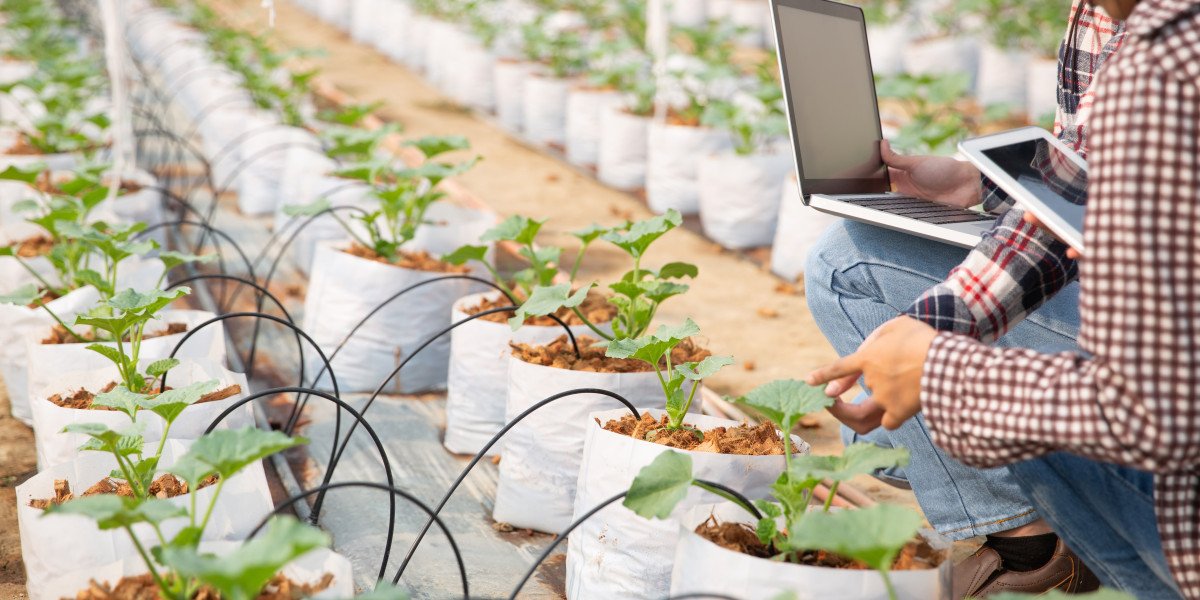
Agriculture consumes roughly 70 percent of the world's freshwater supply. Much of this water simply evaporates or runs off before it ever reaches plant roots. Old flood techniques waste massive amounts of natural resources. Water flows into ditches and disappears. Today, farmers turn to advanced technology to solve this problem. They look for highly efficient agricultural irrigation solutions to cut daily waste. These modern systems deliver water directly to the plant root zone. They drastically reduce surface evaporation. They completely stop muddy runoff. This targeted approach saves millions of gallons of water on a single farm each year.
Integrating Sensors And Data Analytics
Modern farming relies heavily on precise data. Growers do not just guess when their plants need water anymore. They use high-tech soil moisture sensors. These sensors sit deep in the dirt and read moisture levels constantly. They send alerts directly to a farmer's smartphone. This technology prevents overwatering. Too much water drowns roots and causes plant disease. Too little water stunts growth. Using exact data creates a perfect balance in the soil.
Why Upgrading Farm Equipment Matters
Water does not always sit conveniently near the surface. Many large-scale farms rely on deep underground aquifers for their survival. Pulling water from deep underground requires serious mechanical power. You need incredibly reliable hardware. A standard surface pump often struggles with deep wells. It wastes electricity and frequently loses suction pressure. Instead, a smart farmer will use a modern centrifugal submersible pump. This specific device pushes water up from the bottom rather than pulling it from the top. It uses much less electrical energy. It avoids frustrating priming issues entirely.
Deep Well Water Extraction Basics
Moving water uphill takes steady, relentless pressure. The right equipment pushes the water through miles of plastic pipes without losing force. This keeps water pressure consistent across an entire 500-acre field. Consistent pressure helps distribute water evenly across the field, reducing both dry areas and overwatered zones that can negatively affect crop performance.
Matching The Setup To The Crop
Every single farm is totally different. Tomatoes need completely different water levels than sweet corn. A farmer in a sandy region faces different soil drainage speeds than a farmer in dense clay soil. You cannot buy a simple one-size-fits-all system off a shelf. You must carefully design a custom irrigation solution. For example, fruit orchards benefit heavily from specialized drip lines. The drip lines sit right at the base of the tree trunk. They slowly release drops of water all day. Meanwhile, large wheat fields often require massive overhead center pivots. The physical equipment must match the landscape perfectly to work properly. A common irrigation design mistake is selecting equipment based solely on field size while overlooking factors such as soil type, elevation changes, and crop water requirements. Evaluating these variables during the planning stage helps improve efficiency and long-term system performance.
Maximizing Yields With Better Technology
Modern systems do much more than just wet the dirt. They actively increase overall crop production. Studies have shown that precision irrigation can significantly improve yields while reducing water waste. Plants grow significantly faster when they receive consistent, daily moisture. Consistent moisture levels help reduce environmental stress, allowing crops to maintain healthy growth and produce stronger yields throughout the season. A well-watered plant thrives and produces heavy fruit. Finding the exact right agricultural irrigation solutions directly improves final harvest weight. Bigger harvests mean more fresh food heads to the grocery market. They also mean a much higher profit margin for the hardworking grower.
Cutting Energy Costs On The Farm
Pumping millions of gallons of water costs serious money. Electricity and diesel prices continue to climb higher every single year. An old, inefficient motor eats into farm profits extremely quickly. Older surface motors run hot and waste expensive electricity. A newer centrifugal submersible pump operates quietly deep underwater. The surrounding cool well water chills the motor naturally as it spins. By operating in a cooler environment, the motor experiences less thermal stress, which can extend equipment lifespan while also improving overall energy efficiency. Less money spent on electricity means more money stays in the farmer's pocket for future business growth.
Long-Term Financial Benefits
High upfront costs for new farm equipment often scare buyers away. However, the initial investment usually pays off rapidly. Lower maintenance requirements, reduced water consumption, and improved crop performance can generate substantial long-term savings that offset the initial investment. A properly designed irrigation solution usually pays for itself within just three to four harvest seasons. Smart farmers look at the total lifetime value, not just the initial retail price tag.
Frequently Asked Questions
What makes a modern water delivery system different from older methods?
Modern systems use precise pressure and targeted delivery methods. They avoid flooding entire fields with excess water. They send vital moisture right to the exact root zones.
How deep can new underwater pumps push fresh water?
Modern pumps can push fresh water from hundreds of feet deep underground. They maintain incredibly strong pressure all the way up to the surface pipes.
Do precision watering setups really save natural resources?
Yes. Precision setups reduce total water waste by up to 50 percent compared to traditional gravity flood methods. They virtually eliminate chemical runoff and surface evaporation.
Are newer equipment setups expensive to maintain over time?
Modern equipment actually requires far less daily maintenance. Submerged pump motors stay completely cool and hermetically sealed. This totally reduces mechanical wear and tear over a decade of heavy use.