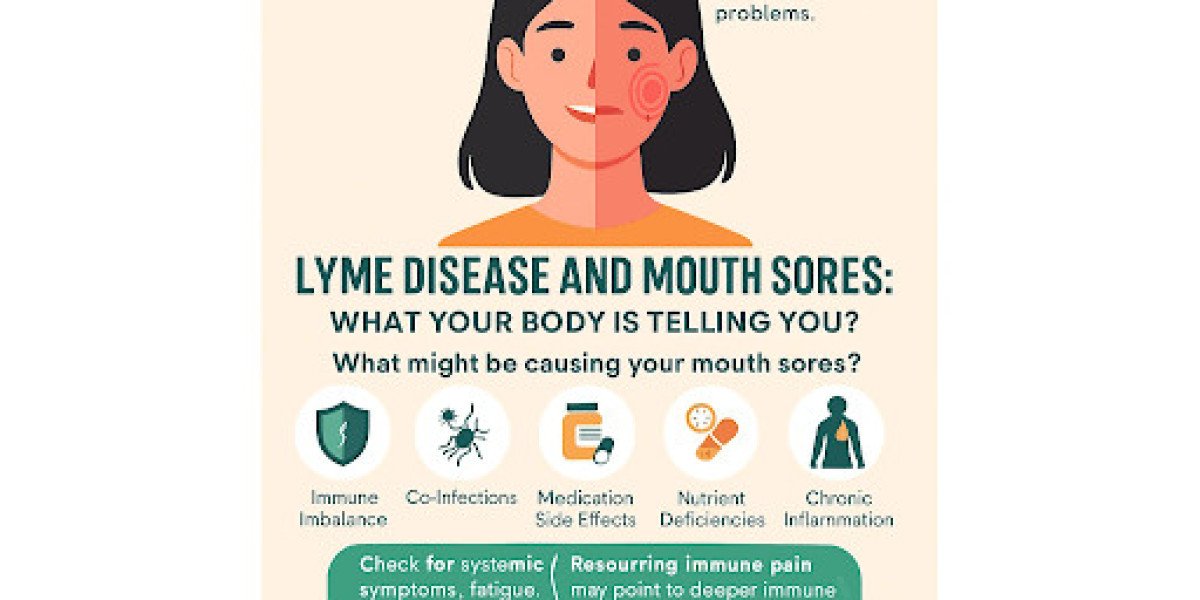

What Is Lyme Disease?
Lyme disease develops after the bite of an infected blacklegged tick carrying Borrelia burgdorferi. Early recognition is important because prompt diagnosis and treatment can help reduce the risk of complications.
Common Lyme disease symptoms include:
- Erythema migrans (bull's-eye) rash
- Fever and chills
- Fatigue
- Joint pain and muscle aches
- Headaches
- Neck stiffness
- Neurological symptoms
- Facial palsy in some cases
According to the CDC Lyme disease overview, not everyone develops the characteristic rash, making awareness of other symptoms equally important.
How Does Lyme Disease Affect the Immune System?
The body's immune system responds quickly after Borrelia burgdorferi enters through a tick bite.
Activation of the Immune Response
Immune cells recognize the bacteria and begin producing inflammatory molecules designed to control the infection.
This response includes:
- Activation of white blood cells
- Production of antibodies
- Release of inflammatory cytokines
- Recruitment of immune cells to affected tissues
Inflammation is a normal part of fighting infection, but researchers continue studying why some individuals experience prolonged symptoms after treatment.
Immune Dysregulation and Ongoing Research
Scientists continue investigating whether some people experience temporary immune dysregulation during or after Lyme disease.
Current research suggests that immune responses vary between individuals depending on factors such as:
- Genetics
- Overall health
- Timing of diagnosis
- Severity of infection
- Other medical conditions
According to the Johns Hopkins Lyme Disease Research Center, persistent symptoms remain an active area of scientific research.
Can Lyme Disease Affect Oral Health?
Although Lyme disease USA is not considered a primary dental disease, several factors associated with the illness may influence oral health.
Inflammation Throughout the Body
Inflammation associated with Lyme disease may contribute to generalized discomfort that includes the jaw, facial muscles, or tissues surrounding the mouth.
However, inflammation alone does not confirm a dental condition.
Dry Mouth
Some individuals with Lyme disease report dry mouth.
Dry mouth may occur due to:
- Illness-related dehydration
- Certain medications
- Reduced saliva production
- Other underlying medical conditions
Saliva helps protect teeth and gums, so prolonged dryness may increase the risk of cavities or gum irritation.
Mouth Sores and Oral Discomfort
Some patients report:
- Mouth ulcers
- Canker sores
- Burning mouth sensations
- Sensitive oral tissues
Current scientific evidence has not established these as direct symptoms of Lyme disease. Healthcare providers often evaluate other possible causes, including nutritional deficiencies, viral infections, medication effects, autoimmune disorders, or unrelated oral conditions.
Jaw Pain
Inflammation affecting joints can occasionally contribute to discomfort around the temporomandibular joint (TMJ).
Since Lyme disease may involve joint inflammation, some individuals experience jaw stiffness or pain that should be evaluated by a healthcare professional.
How Can Immune Changes Influence Oral Health?
The immune system plays a vital role in maintaining healthy gums and oral tissues.
When the immune system is responding to infection, additional factors may indirectly influence oral health.
These include:
- Reduced energy for routine dental care
- Poor appetite
- Nutritional deficiencies
- Sleep disturbances
- Increased stress
- Medication side effects
These factors can occur with many chronic illnesses—not just Lyme disease.
Could Co-Infections or Other Conditions Play a Role?
Ticks can carry multiple pathogens.
Some patients diagnosed with Lyme disease may also be evaluated for other tick-borne infections depending on symptoms and exposure history.
Additionally, oral symptoms may result from unrelated conditions such as:
- Viral infections
- Fungal infections
- Autoimmune diseases
- Vitamin deficiencies
- Allergic reactions
- Dental infections
A comprehensive medical and dental evaluation helps identify the underlying cause.
Supporting Oral Health During Lyme Disease Recovery
Although treatment recommendations should always come from qualified healthcare providers, several general wellness practices may help support oral health.
Maintain Good Oral Hygiene
Daily brushing and flossing remain important for reducing plaque and protecting gum health.
Stay Hydrated
Adequate hydration supports saliva production and overall health.
Eat a Nutrient-Rich Diet
A balanced diet rich in vitamins, minerals, and protein supports immune function and healthy oral tissues.
Schedule Regular Dental Checkups
Routine dental examinations can help identify oral problems early.
Be sure to inform your dentist about any medical conditions, medications, or persistent symptoms.
Follow Your Healthcare Provider's Recommendations
Medical evaluation remains essential if symptoms worsen or new concerns develop.
Holistic wellness practices may complement but should never replace evidence-based medical and dental care.
Prevention Remains the Best Strategy
Preventing tick bites remains one of the most effective ways to reduce Lyme disease risk.
Preventive measures include:
- Wearing protective clothing outdoors
- Using EPA-approved insect repellents
- Performing full-body tick checks
- Showering after spending time in wooded areas
- Removing attached ticks promptly
The Mayo Clinic Lyme disease guide and CDC Lyme disease prevention resources provide additional prevention recommendations.
Consider linking this article to related content such as:
- Can Lyme Disease Cause Mouth Sores?
- Lyme Disease Symptoms by Stage
- Understanding Lyme Disease Testing
- Lyme Disease and Fatigue
- Lyme Disease and Inflammation
- Tick Bite Prevention Guide
- Lyme Disease and Nutrition
Q&A Section
What are the early signs of Lyme disease?
Common early symptoms include fatigue, fever, headache, muscle aches, joint pain, and sometimes an erythema migrans rash following a tick bite.
Can Lyme disease symptoms appear later?
Yes. Some symptoms may develop weeks or months after infection if Lyme disease is not diagnosed and treated promptly.
How is Lyme disease diagnosed?
Diagnosis typically involves evaluating symptoms, exposure history, physical examination, and appropriate laboratory testing when recommended by a healthcare provider.
Can Lyme disease cause fatigue and cognitive difficulties?
Yes. Fatigue and problems with concentration or memory are reported by some individuals with Lyme disease, although these symptoms are not unique to Lyme disease.
Can Lyme disease directly cause gum disease?
Current evidence does not show that Lyme disease directly causes gum disease. However, illness-related factors such as dry mouth, inflammation, medications, or reduced oral hygiene may contribute to oral health concerns.
Why do some people with Lyme disease experience mouth discomfort?
Oral discomfort may have multiple causes, including medication side effects, nutritional deficiencies, viral infections, dry mouth, or unrelated dental conditions. Professional evaluation is recommended.
When should someone see a doctor after a tick bite?
Anyone who develops fever, rash, fatigue, neurological symptoms, or persistent joint pain after a tick bite should seek prompt medical evaluation.
Conclusion
Understanding how Lyme disease affects the immune system and oral health requires looking beyond a single symptom. Lyme disease activates the body's immune response to fight Borrelia burgdorferi, and ongoing inflammation, fatigue, medication use, or related health factors may indirectly influence oral health in some individuals. While current evidence does not support Lyme disease as a direct cause of most dental conditions, maintaining good oral hygiene, attending regular dental checkups, and seeking timely medical evaluation for persistent symptoms are important steps in overall wellness.
As research continues to explore the relationship between immune function, inflammation, and Lyme disease, patients and caregivers should rely on credible medical information and work closely with qualified healthcare professionals. At Holistic Therapy Tribe, we remain committed to providing balanced, evidence-based resources that empower readers to make informed decisions about their health.
Disclaimer
This article is for educational awareness only and is not a substitute for professional medical advice, diagnosis, or treatment. Always consult a qualified healthcare provider for concerns about Lyme disease or tick-borne infections.
References
- Centers for Disease Control and Prevention – Lyme Disease
https://www.cdc.gov/lyme/ - Johns Hopkins Lyme Disease Research Center
https://www.hopkinslyme.org/ - Mayo Clinic – Lyme Disease
https://www.mayoclinic.org/diseases-conditions/lyme-disease/ - National Institutes of Health (NIH)
https://www.nih.gov/ - PubMed – Lyme Disease Research
https://pubmed.ncbi.nlm.nih.gov/ - Cleveland Clinic – Lyme Disease Guide
https://my.clevelandclinic.org/health/diseases/8633-lyme-disease